


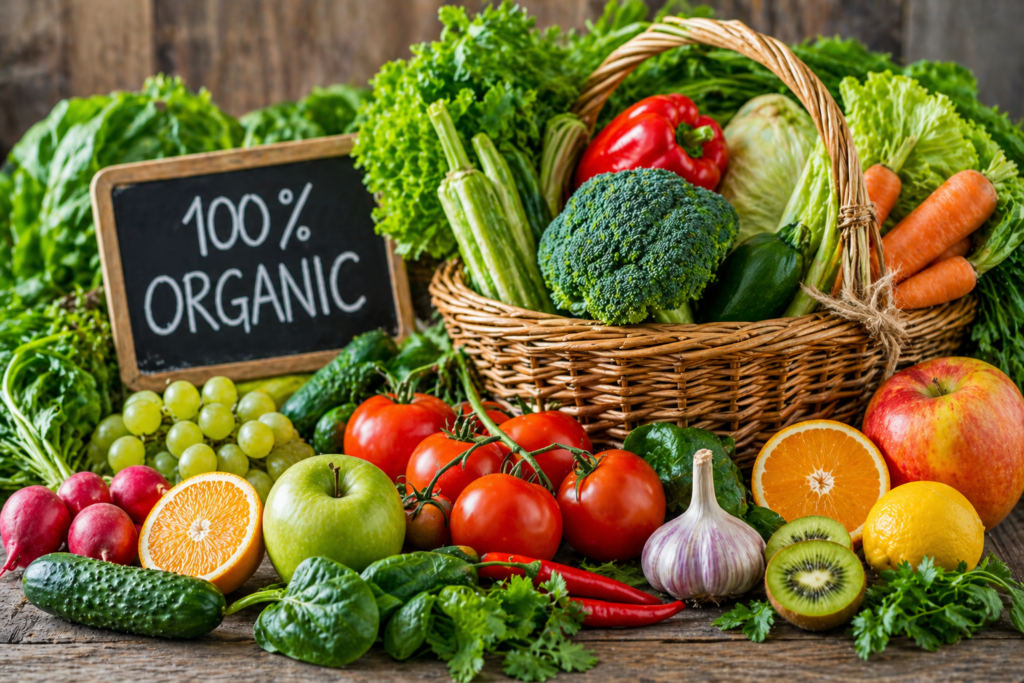
The Ultimate Guide to Healthy Eating with Fresh Fruits and Vegetablesext Here
In today’s fast-paced world, maintaining a healthy lifestyle can feel challenging. Busy schedules, processed foods, and unhealthy eating habits often make it difficult to prioritize nutrition. However, one simple and effective way to improve your health is by including fresh fruits and vegetables in your daily diet.
Fresh produce is packed with vitamins, minerals, antioxidants, and fiber that support overall well-being. Whether your goal is weight management, stronger immunity, better digestion, or glowing skin, adding more natural foods to your meals can make a significant difference.
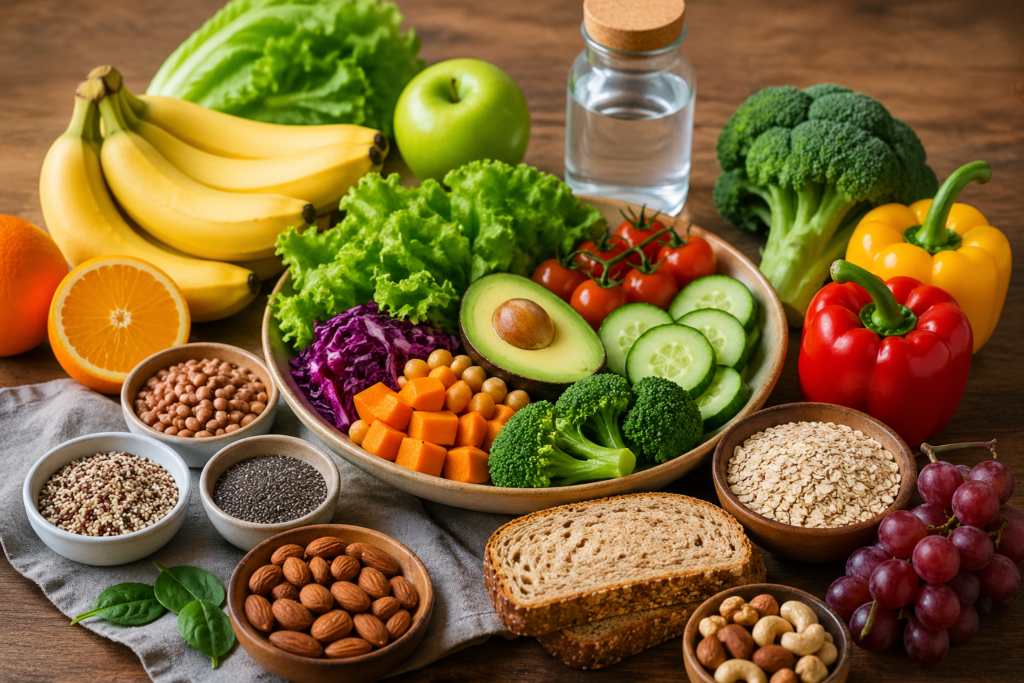
Why Healthy Eating Matters
Healthy eating is not about following strict diets or avoiding your favorite foods. It is about creating balance and making mindful choices.
A nutritious diet helps:
- Maintain a healthy weight
- Improve energy levels
- Support heart health
- Strengthen the immune system
- Reduce the risk of chronic diseases
Consuming fresh and minimally processed foods provides your body with the nutrients it needs to function efficiently.
Benefits of Fresh Fruits
Fruits are nature’s healthiest snacks. They are sweet, delicious, and packed with nutrients.
1. Rich in Vitamins and Minerals
Fruits such as oranges, mangoes, strawberries, and kiwis are loaded with vitamins like Vitamin C, Vitamin A, and folate.
These nutrients help:
- Strengthen immunity
- Improve skin health
- Support cell repair
2. High in Fiber
Fiber is essential for healthy digestion.
Fiber-rich fruits include:
- Apples
- Pears
- Bananas
- Papayas
Benefits of fiber:
- Better digestion
- Reduced constipation
- Improved gut health
3. Natural Energy Source
Instead of processed snacks, fruits provide natural sugars and carbohydrates that give quick energy.
Bananas are especially useful before workouts or busy workdays.
4. Supports Weight Management
Most fruits are low in calories and high in water content, making them ideal for weight-conscious individuals.
Water-rich fruits:
- Watermelon
- Muskmelon
- Oranges
Importance of Vegetables in Daily Nutrition
Vegetables are equally essential for a balanced diet.
They provide:
- Vitamins
- Minerals
- Fiber
- Antioxidants
Leafy Green Vegetables
Leafy greens are among the most nutrient-dense foods.
Examples:
- Spinach
- Lettuce
- Kale
- Fenugreek leaves
Benefits:
- Rich in iron
- Supports bone health
- Improves blood circulation
Root Vegetables
Root vegetables are filling and nutritious.
Examples:
- Carrots
- Beetroot
- Sweet potatoes
- Radish
Benefits:
- Improve eye health
- Support digestion
- Provide long-lasting energy
Cruciferous Vegetables
Cruciferous vegetables are known for their detoxifying properties.
Examples:
- Broccoli
- Cauliflower
- Cabbage
Benefits:
- Support detoxification
- Rich in antioxidants
- Promote heart health
How to Include More Fruits and Vegetables in Your Diet
Many people struggle to meet daily nutrition requirements. Here are simple tips:
Start Your Day with Fruits
Add fruits to:
- Oatmeal
- Smoothies
- Yogurt bowls
Eat Colorful Salads
Mix vegetables like:
- Cucumbers
- Tomatoes
- Lettuce
- Bell peppers
Keep Healthy Snacks Ready
Store cut fruits and vegetables for easy access.
Examples:
- Apple slices
- Carrot sticks
- Grapes
Replace Junk Food
Instead of chips or sugary snacks, choose:
- Fruit bowls
- Nuts with fruits
- Vegetable wraps
Why Fresh Produce Quality Matters
Not all produce is equal. Fresh and high-quality fruits and vegetables offer:
- Better taste
- Higher nutrition
- Longer shelf life
When buying fresh produce, check:
- Bright color
- Firm texture
- No spoilage
Conclusion
Healthy eating begins with simple habits. Including fresh fruits and vegetables in your daily meals is one of the easiest ways to improve your lifestyle.
A balanced diet rich in natural foods helps you stay energetic, healthy, and productive. Make conscious choices today for a healthier tomorrow